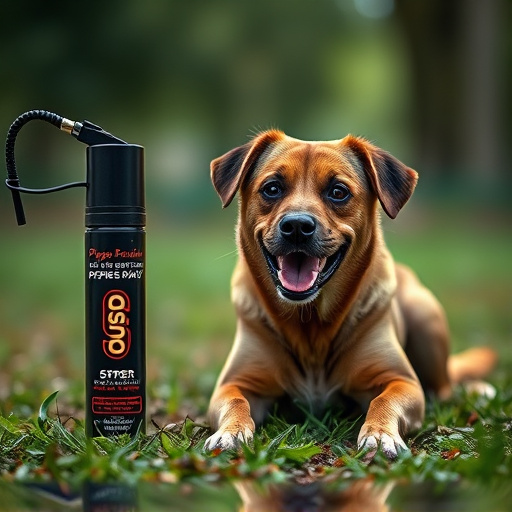
Learn the science of dog spray (mace spray for dogs) using capsaicin to deter aggression. Practice safe techniques, aim at face into wind, and ensure proper ventilation. Identify suitable scenarios like hiking or training for fearful reactions. Familiarize yourself with equipment, understand spray patterns and range, and train in realistic scenarios without harm. Maximize deterrent impact by consulting manufacturer instructions and targeting specific body areas during application.
Dog spray, also known as mace spray, is a safe and effective deterrent designed to protect against aggressive dogs. This comprehensive guide explores the principles behind dog spray, focusing on active ingredients and safety. We’ll identify suitable scenarios for deployment and delve into proper handling techniques, equipment, and training. Additionally, learn optimal spray application strategies to maximize its deterrent impact, complete with practical tips on how to practice mace spray techniques effectively.
- Understand Dog Spray Principles: Active Ingredients & Safety
- Identify Suitable Scenarios for Dog Spray Deployment
- Demonstrate Proper Handling Techniques: Equipment & Training
- Implement Effective Spray Application Strategies for Maximum Deterrent Impact
Understand Dog Spray Principles: Active Ingredients & Safety
Dog spray, also known as mace spray for dogs, is a safe and effective deterrent designed to protect against aggressive canine behavior. Understanding its principles involves familiarizing yourself with the active ingredients and ensuring safety during application. Active ingredients in dog spray typically include capsaicin, a compound derived from chili peppers, which triggers a temporary irritation in the dog’s eyes and nose, disorienting them and prompting a retreat.
When learning how to practice mace spray techniques, it’s crucial to prioritize safety for both you and the targeted dog. Always follow manufacturer instructions, wear protective gear if necessary, and ensure the spray is used in well-ventilated areas. Proper application involves aiming the spray towards the dog’s face, allowing the wind to carry it away from you, and giving clear commands before deployment. This approach not only deters aggressive behavior but also minimizes potential harm while maintaining control of the situation.
Identify Suitable Scenarios for Dog Spray Deployment
Identifying suitable scenarios is crucial when considering dog spray as a deterrent. It is most effective in situations where a quick, powerful scent can deter an approaching dog before it becomes aggressive or causes harm. For example, if you’re hiking in areas known for wild dogs or if your pet tends to react fearfully to unfamiliar canines, carrying dog spray can be a wise decision. It’s also valuable for training purposes; practicing mace spray techniques can teach both you and your dog how to manage potentially dangerous encounters.
Learn how to practice Mace spray techniques responsibly by familiarizing yourself with the product’s range and safety precautions. Start by understanding wind direction, as this influences the spray’s effectiveness. Practice in controlled environments, ensuring no one or no pet is harmed unintentionally. Regularly review safety guidelines and store the spray securely out of reach of children and pets when not in use.
Demonstrate Proper Handling Techniques: Equipment & Training
To ensure the safe and effective use of dog spray, it’s crucial to demonstrate proper handling techniques through equipment and training. When learning how to practice mace spray techniques, start by familiarizing yourself with the equipment. Understand the spray patterns, range, and activation mechanisms. Proper training includes learning safe application methods, understanding wind conditions, and recognizing the need for follow-up actions after spraying.
During training sessions, focus on scenarios that mimic real-life situations. Practice targeting specific areas to control a dog’s behavior without causing harm or excessive stress. Regular drills will enhance your comfort level and proficiency in using dog spray, ensuring it remains a reliable deterrent when needed.
Implement Effective Spray Application Strategies for Maximum Deterrent Impact
Implementing effective spray application strategies is key to maximizing the deterrent impact of dog spray. When used correctly, mace spray can be a powerful tool in deterring unwanted canine behavior. Start by understanding the spray’s range and effectiveness; each can vary based on the product, so consult the manufacturer’s instructions. Position yourself at an optimal distance, typically 2-3 meters away from the dog, to ensure coverage without risking direct contact.
Practice makes perfect when it comes to mace spray techniques. Rehearse different application methods, such as aiming for specific body areas like the face or legs, and learn to respond quickly and accurately in various situations. Regular training will enhance your ability to deploy the spray effectively, ensuring its maximum deterrent effect during encounters with aggressive dogs.
Dog spray, when used correctly, can be an effective deterrent in deterring aggressive dog encounters. By understanding the principles behind its operation, selecting appropriate scenarios, and mastering handling techniques, you can ensure maximum impact as a safe and responsible dog owner. Practicing mace spray techniques is crucial to ensuring your safety and the well-being of others when facing potentially dangerous canine behavior. Remember, proper training and equipment are key to effectively navigating these situations.